How to make a small entryway work when there's no room for furniture
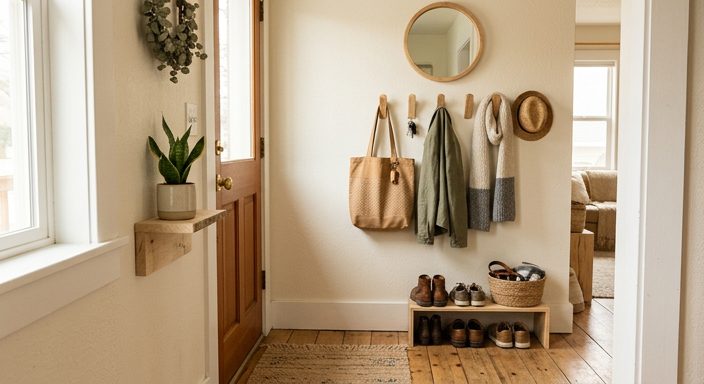
An entryway is the hardest-working square metre in a house and usually the least designed. It has to absorb shoes, coats, bags, keys and post within a few seconds of someone walking through the door — and if it takes longer than that, people stop using it and the kitchen counter becomes the entryway instead.
Small hallways make this harder, because the obvious answer, furniture, doesn't fit. Here's what works when it doesn't.
Go vertical before you go horizontal
Floor space is the constraint. Wall space almost never is. A hook rail mounted at shoulder height takes up zero floor area and handles more coats than a stand would.
Mount a second rail lower down if children live there. A coat hook a child can't reach is a coat on the floor — this is not a discipline problem, it's a height problem, and it costs about ten euros to solve.
Hooks beat hangers, every time
This is the rule that matters most in an entryway. A hanger is a two-handed, multi-second operation: open wardrobe, take hanger, thread coat, hang, close. A hook is one motion.
Anything requiring more than one motion at the door will be abandoned. Save hangers for the wardrobe.
Shoes need a container, not a pile
A shoe pile expands to fill whatever space it's given. A rack with defined tiers puts a visible ceiling on it — when the rack is full, someone has to make a decision, which is exactly the prompt you want.
Buy stackable. You genuinely don't know yet whether your hallway takes one tier or three, and stackable racks let you find out for the price of one unit rather than three. Measure the floor space first; it's the same measure-before-you-buy habit that prevents most storage returns.
Leave the bottom tier empty for the shoes actually in use this week. The moment every tier is full, the rack stops working, because there's nowhere to put today's shoes.
Give keys exactly one home
Keys are lost in the gap between "somewhere near the door" and "a specific place". A tray or a hook by the door, at the height your hand naturally goes, ends the problem permanently — and it's the cheapest thing on this list.
The same tray catches post before it migrates into the house. Keep it small on purpose: a tray that only holds three days of post forces you to deal with it.
What to skip in a small entryway
Benches. Beautiful, almost always too deep. Unless your hallway is over 1.5 m wide, a bench turns a passage into an obstacle.
Baskets on the floor. They look tidy in photos and become a tripping hazard with shoes in real life.
Anything with a lid. Lids add a motion. See above.
The order to buy in
If you're doing this on a budget, do it in this sequence: hooks first, then a key tray, then a shoe rack. That's descending order of impact per euro, and you may well find you don't need the third item once the first two are in.
Come winter, the same hallway has a second job: keeping wet boots off the floor. The autumn checklist covers the boot tray and the rest of the seasonal switch-over.
Picks mentioned in this guide
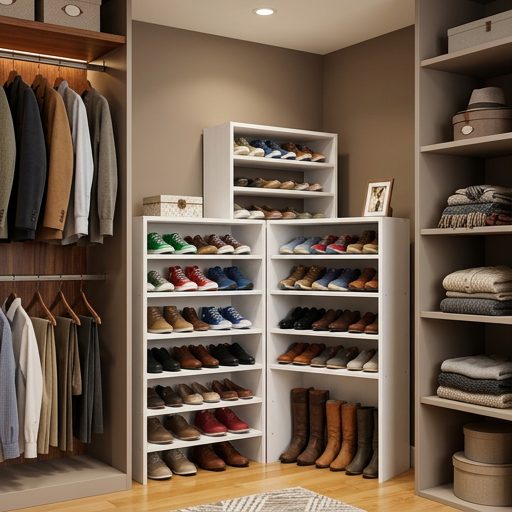
3-tier stackable shoe rack
Stackable is the key word. Buy one, see whether your hallway can take a second, stack later without buying a whole new unit.
- Assembles in minutes without tools
- Stacks vertically as your needs grow
- Open frame lets wet shoes dry
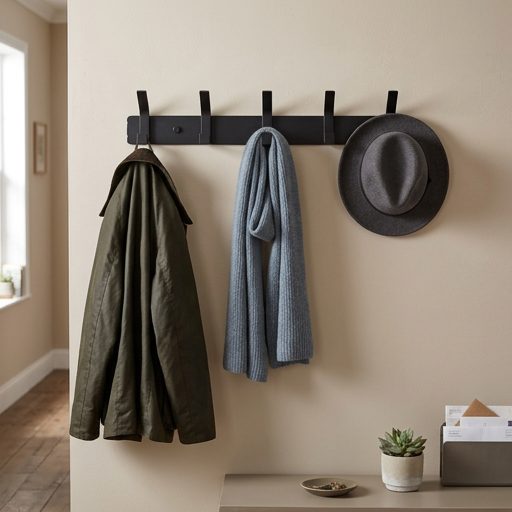
Wall-mounted hook rail, 5 hooks
Hooks beat hangers in an entryway because they work in one motion. Mount at shoulder height for adults, and add a second rail low for kids.
- One-motion hanging, so it actually gets used
- Solid backplate spreads load across a stud
- Takes heavy winter coats
Entryway catch-all tray with key hooks
A single designated landing spot for keys, cards and post stops the kitchen counter becoming one. Small purchase, outsized effect.
- Gives keys one permanent home
- Shelf catches post before it spreads
- Fits narrow hallways
Keep reading
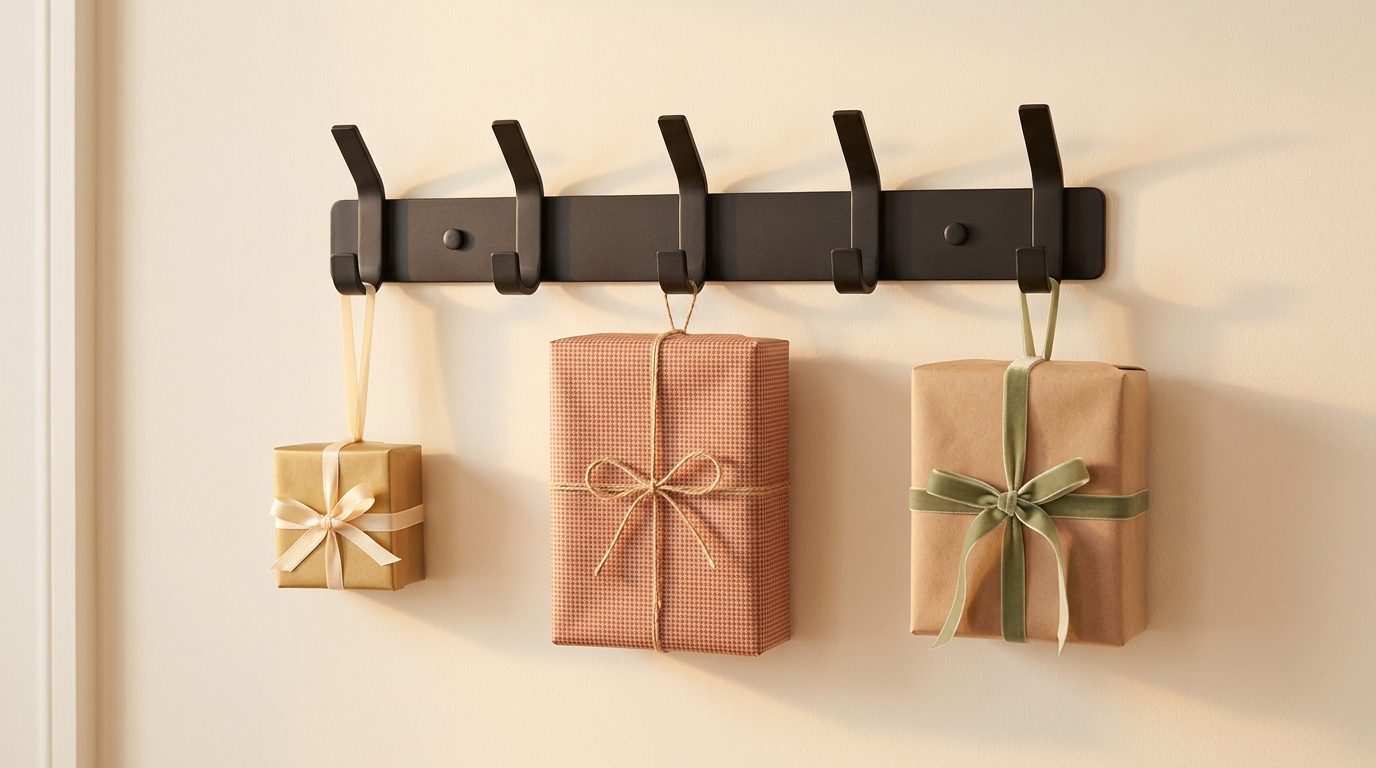
Practical gifts for people who say they want nothing
The "don't get me anything" person is the hardest to buy for. Useful gifts that fix one daily annoyance, sorted by who you're buying for, with what to check on each listing before you order.
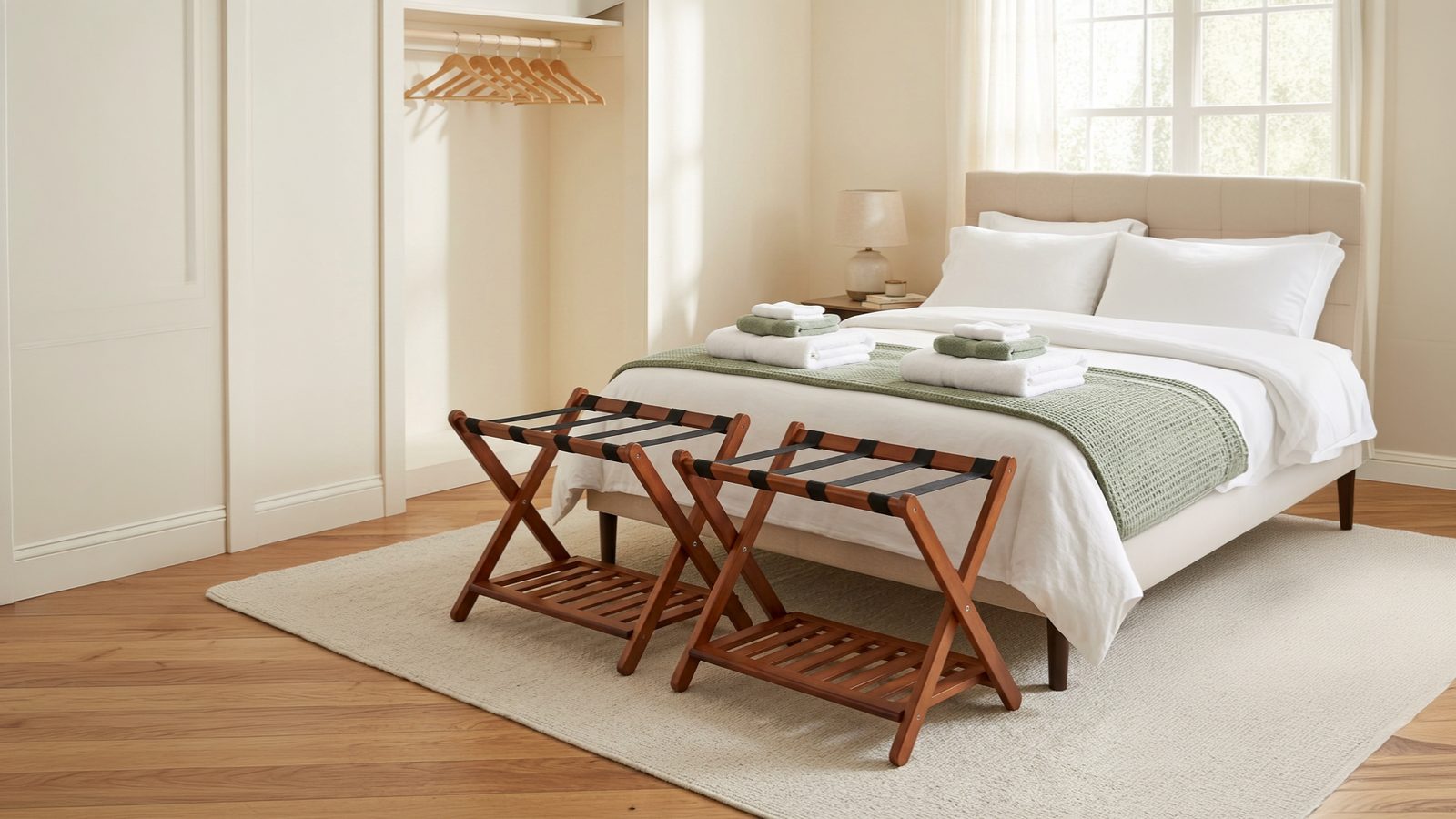
Getting the house ready for guests: five small fixes that make it feel prepared
Guests notice one thing more than a spotless house: whether there's somewhere to put their things. Five small fixes, in the order a guest meets them.
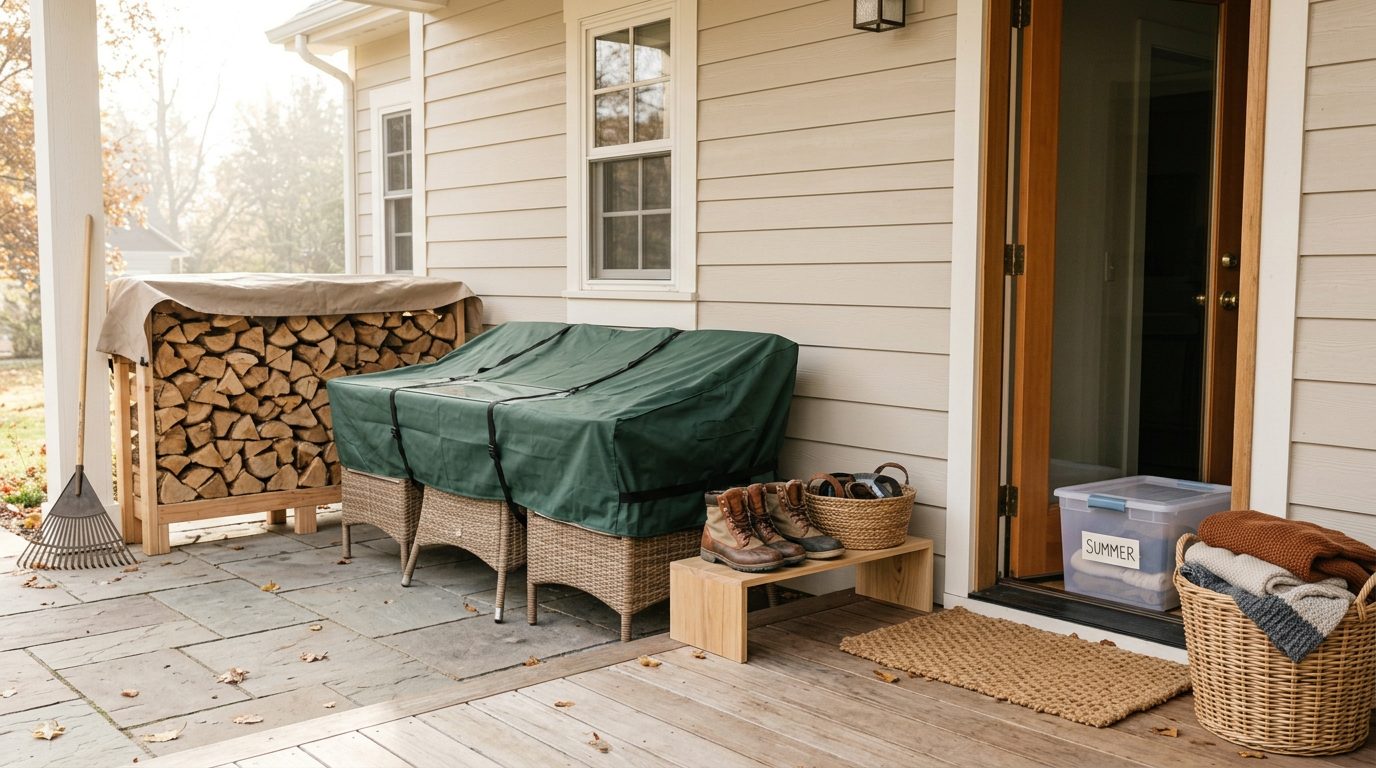
The autumn checklist that saves you a rough winter
Four things worth doing before the first frost, in the order that actually matters — starting with the one most people leave too late.